The story from Canaan to Rome is not neat, simple, or settled. It is a three-thousand-year journey across a tiny but wildly important land bridge on the eastern Mediterranean coast. It produced city-states, prophets, kings, temples, revolts, exiles, and memories powerful enough to survive the fall of kingdoms.
Almost every major empire in the ancient Near East wanted this place. Egypt needed its roads. Assyria wanted its tribute. Babylon wanted its loyalty. Persia wanted stability. Greek kings wanted control. Rome wanted order.
Whoever controlled this strip of land controlled the routes linking Africa, Asia, and the Mediterranean world.
That basic geographical fact drives much of the history from Canaan to Rome. But the history is bigger than conquest. It is also the story of a people who emerged in the highlands, built institutions, endured catastrophe, and kept rebuilding their identity when the physical foundations of life were torn away.
Takeaways
- Israel emerged gradually among highland communities during the collapse of the Late Bronze Age.
- The Merneptah Stele provides the earliest known historical reference to Israel, dated to 1208 BCE.
- Babylonian exile reshaped Judean identity around law, memory, and sacred texts.
- Roman victories in 70 CE and 135 CE shifted Jewish life across the wider Mediterranean world.
Canaan Before Israel
Long before anyone called the land Israel, Egyptians called it Canaan. Around 1500 BCE, Canaan was not one kingdom. It was a patchwork of small fortified city-states, each with its own ruler, walls, farms, shrines, and rivalries.
Places such as Jerusalem, Hazor, Megiddo, and Gezer were already old by this point. Their populations spoke Semitic languages closely related to later Hebrew. Their rulers wrote to Egyptian officials requesting grain, gold, or military aid. Egypt did not need to govern every village directly. It simply needed the trade routes to stay open.
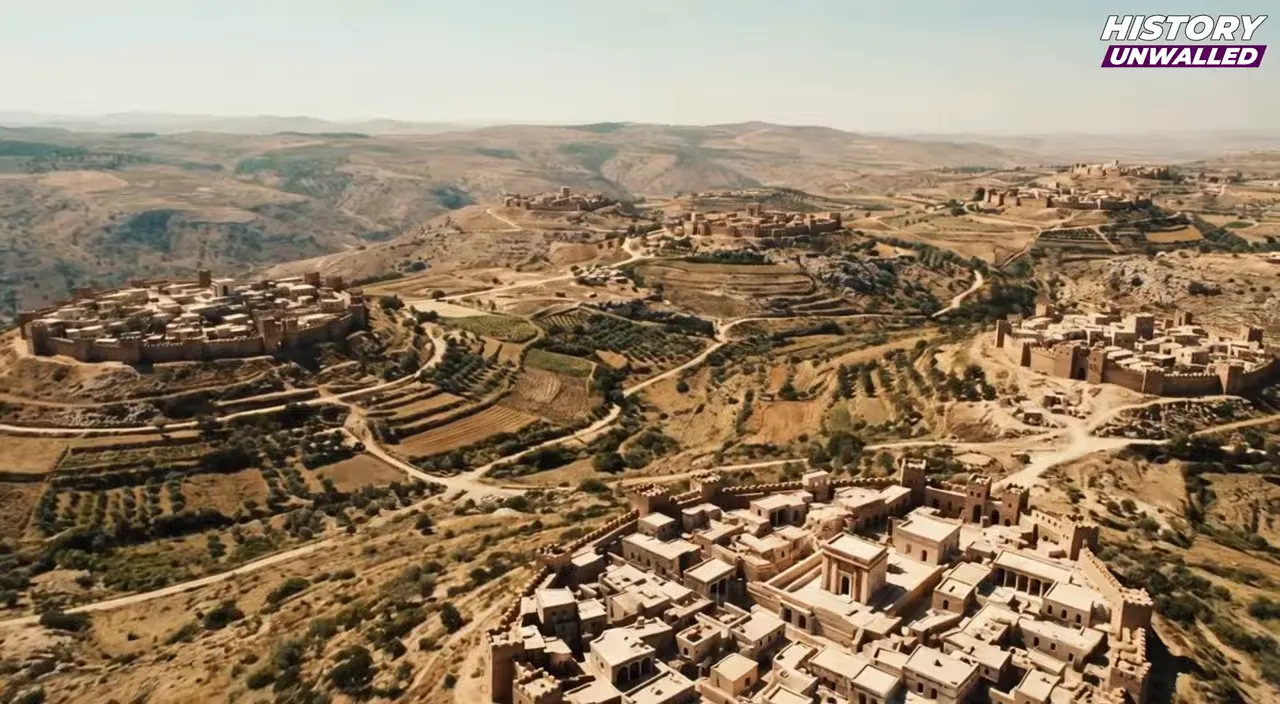
Then the Late Bronze Age world began to crack. Trade networks failed. Cities burned across the eastern Mediterranean, from Greece and Anatolia to Cyprus and the Levant. Historians still debate the precise mix of causes, but drought, famine, migration, and raids by groups later called the Sea Peoples likely all played a role.
When the old order broke down, new communities had room to emerge.
Israel’s Emergence in the Highlands
Here is where the Canaan to Rome story gets tricky, because religious tradition and archaeological evidence do not line up cleanly.
The biblical account presents a dramatic sequence: enslavement in Egypt, an Exodus under Moses, forty years in the wilderness, then a military conquest of Canaan under Joshua. Archaeologists have spent more than a century looking for direct evidence of a mass departure from Egypt, a huge population moving through Sinai, or the city-by-city conquest described in Joshua. So far, the material record does not confirm that picture as a literal, large-scale campaign.
That does not mean the tradition came from nowhere. Many scholars think it may preserve the memory of a smaller group connected to Egypt that later merged with highland communities. Their story may have become the foundation story of a broader people.
What archaeology clearly does show is quieter. Beginning around 1200 BCE, hundreds of small unwalled villages appeared in Canaan’s central highlands. Their residents farmed terraces, raised sheep and goats, and stored grain in distinctive collared-rim jars. Their pottery and homes looked broadly Canaanite, yet a new shared identity appears to have been forming.
The evidence points less toward a sudden outside conquest and more toward a people taking shape from within Canaan itself.
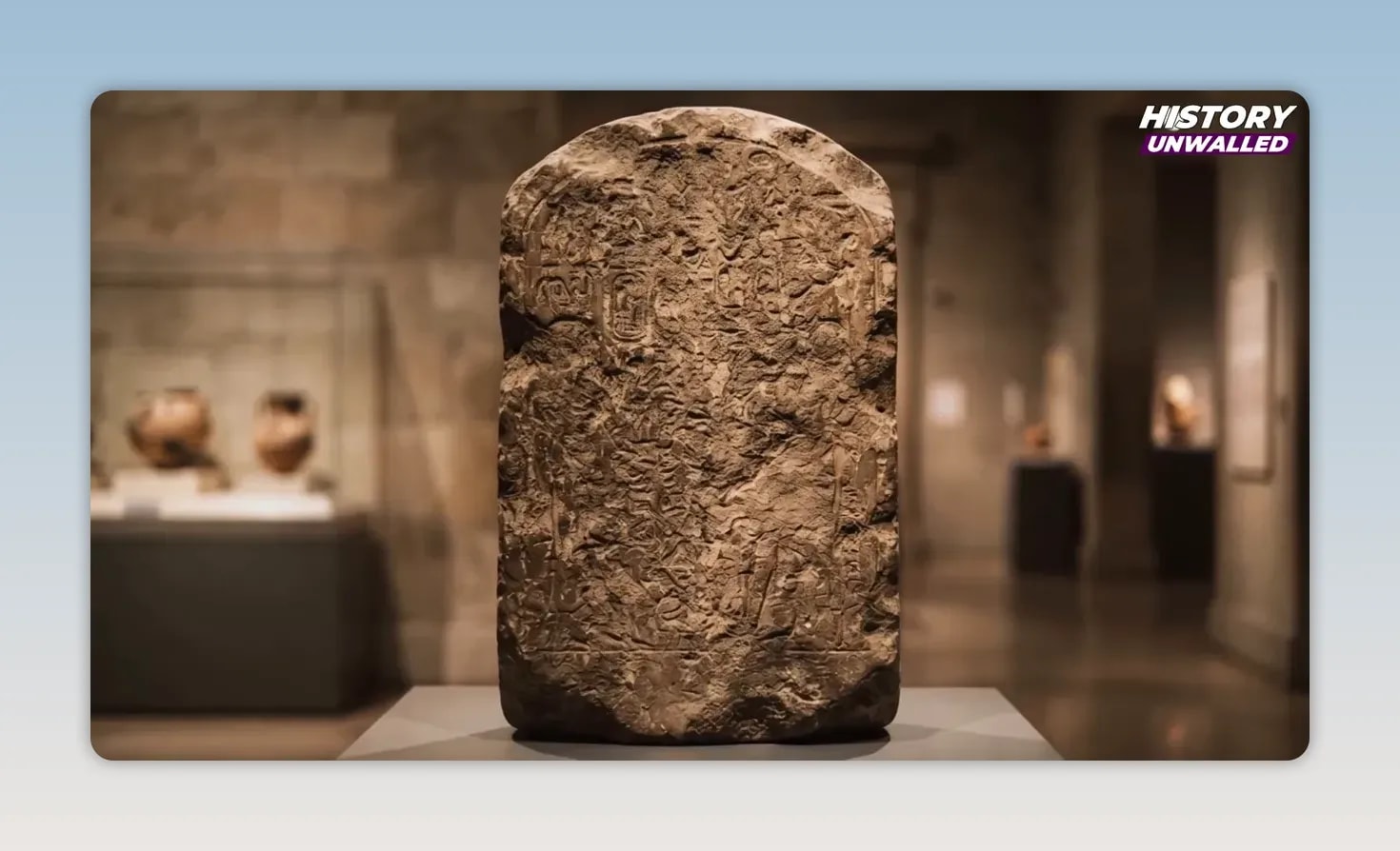
The first known written reference to Israel comes from an Egyptian victory inscription dated to 1208 BCE, usually called the Merneptah Stele. Pharaoh Merneptah listed groups he claimed to have defeated in Canaan, including Israel. It is a very short mention, but it matters enormously.
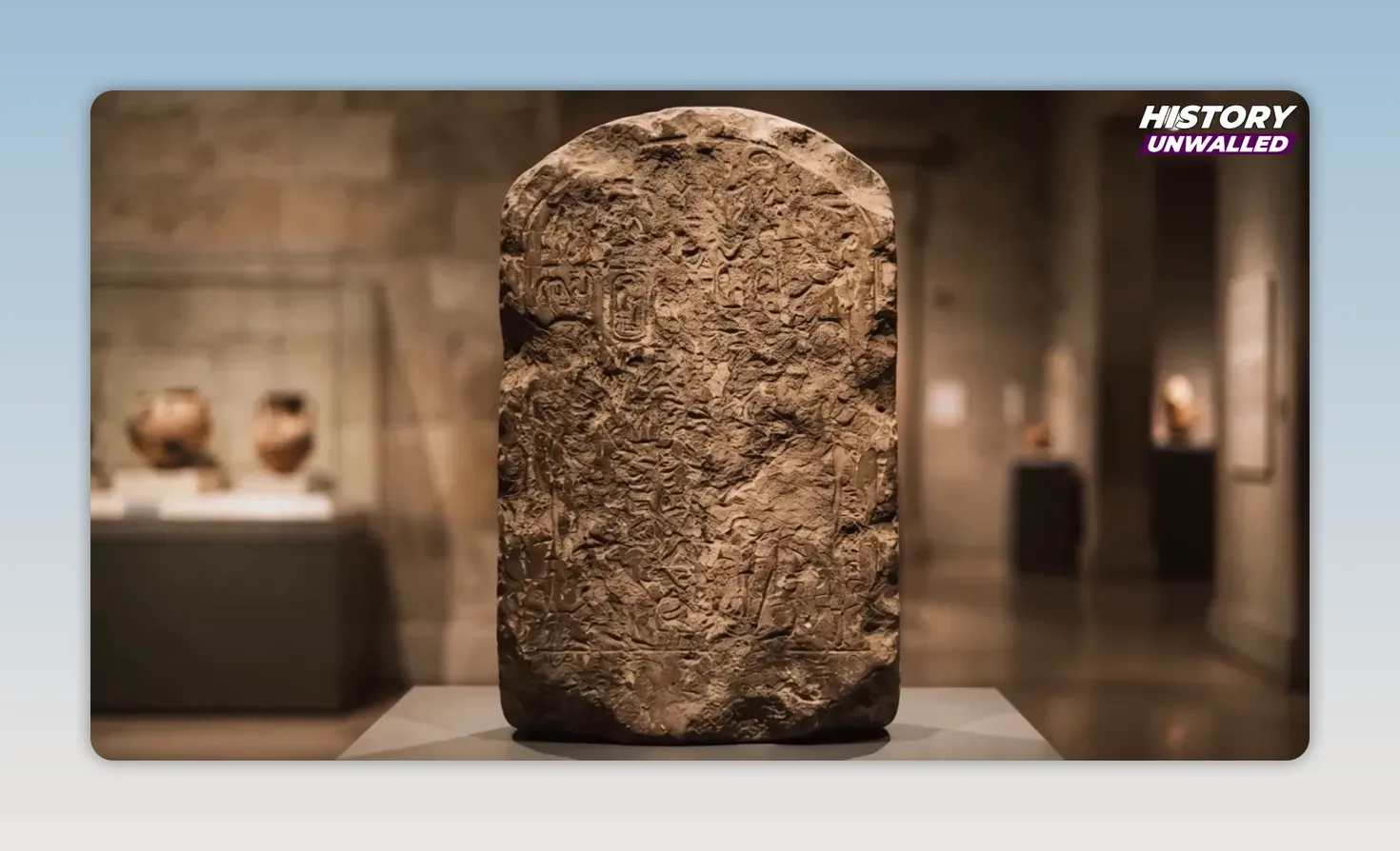
By then, Israel was known enough for an Egyptian king to boast about defeating it. That is a tiny line carved in stone, but it opens a huge door in the historical record.
Judges, Philistines & the First Kings
For roughly two centuries, the highland villages grew without a centralized monarchy. Tradition remembers this era through tribal communities and temporary crisis leaders called judges, including Deborah, Gideon, and Samson. These figures sit somewhere between folk memory, religious tradition, and possible historical reality.
Meanwhile, the Philistines settled along the southern coast. Likely connected to the wider migrations of the Sea Peoples, they established five major cities: Gaza, Ashkelon, Ashdod, Ekron, and Gath. They were organized, urban, and equipped with iron weapons.
Their long rivalry with the highland Israelites helped create the pressure for kingship. Around 1050 BCE, tradition places Saul on the throne. His reign was consumed by conflict with the Philistines and ended with his death at Mount Gilboa.
His successor, David, became the towering figure of the early monarchy. Tradition remembers him as a shepherd, warrior, exile, and king. Around 1000 BCE, he captured Jerusalem, then a small Jebusite hilltown, and made it his capital. It was a clever choice because it did not belong to one of the established tribes.
David’s son Solomon is traditionally credited with building the First Temple in Jerusalem, giving the kingdom a powerful religious center.
David, Solomon & the Archaeological Debate
The United Monarchy is one of the most argued-over chapters in the entire journey from Canaan to Rome. Did David and Solomon rule a large, wealthy empire? Or a smaller regional kingdom later remembered with pride by scribes writing centuries afterward?
For years, some archaeologists argued there was little evidence for anything beyond a modest chieftainship around Jerusalem. But the question is not one-sided. In 1993, archaeologists found an inscription at Tel Dan that referred to the “House of David.” Dated roughly a century after David’s traditional reign, it is the earliest known reference to David outside the Bible.
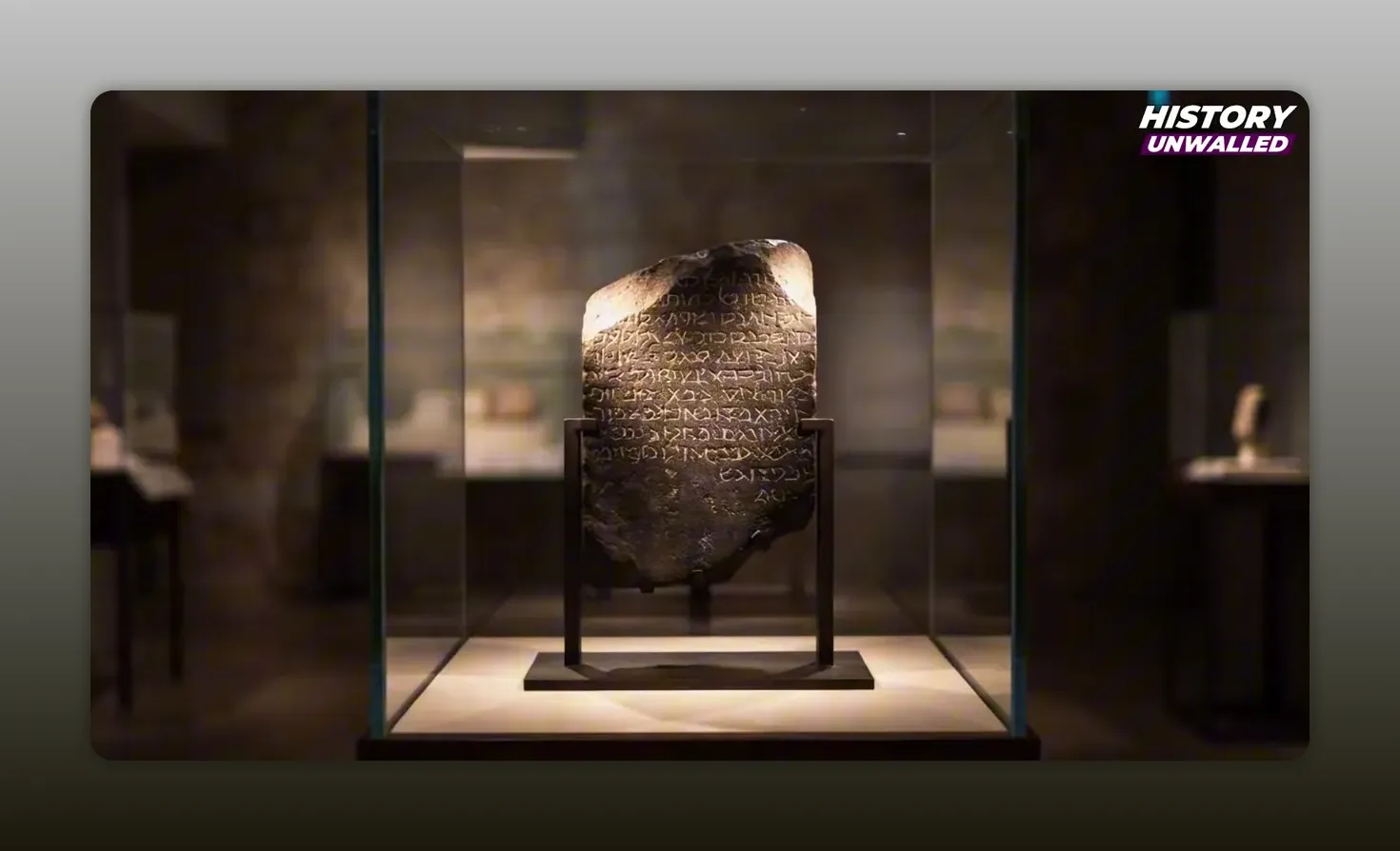
Excavations at sites such as Khirbet Qeiyafa have also revealed fortifications and radiocarbon dates consistent with an organized kingdom in Judah during this period.
David and Solomon were likely real rulers of a real kingdom. The size and wealth of that kingdom remain open questions.
That is the honest middle ground. The evidence does not settle every detail, and pretending it does would make the history less interesting, not more.
Two Kingdoms in a Dangerous Neighborhood
After Solomon’s death around 930 BCE, the kingdom split. The northern kingdom became Israel, eventually centered on Samaria. The southern kingdom became Judah, centered on Jerusalem and ruled by David’s dynasty.
For two centuries, the two kingdoms moved between alliance and conflict. The northern kingdom was usually wealthier, with better farmland and more valuable trade routes. But its location also placed it directly in the path of Assyria.
Assyria was building the most terrifying military machine the ancient Near East had ever seen. Its kings demanded tribute from smaller states. Israel paid for a while, then rebelled.
In 722 BCE, after a three-year siege, Assyrian forces captured Samaria. They deported large numbers of people across their empire and resettled foreign populations in the area. It was a standard imperial tactic: break a population’s roots, and rebellion becomes much harder.
The fate of the northern kingdom’s people became one of history’s enduring mysteries: the story of the Ten Lost Tribes.
Judah barely survived. In 701 BCE, Assyrian king Sennacherib besieged Jerusalem. Both biblical accounts and Assyrian inscriptions agree that the city did not fall. Judah remained alive, but as a battered Assyrian vassal paying heavy tribute.
Babylon, Exile & a Changed Identity
Assyria eventually fell, but that did not bring safety. Babylon rose in its place, and Judah rebelled against Babylonian control twice. The second rebellion ended in disaster.
In 586 BCE, after an eighteen-month siege, Babylonian forces breached Jerusalem’s walls. They burned the city, destroyed the First Temple, and deported a significant portion of Judah’s population to Babylon.
This catastrophe reshaped the story from Canaan to Rome more deeply than almost any event before it. A community once centered on land, king, and temple had lost all three.
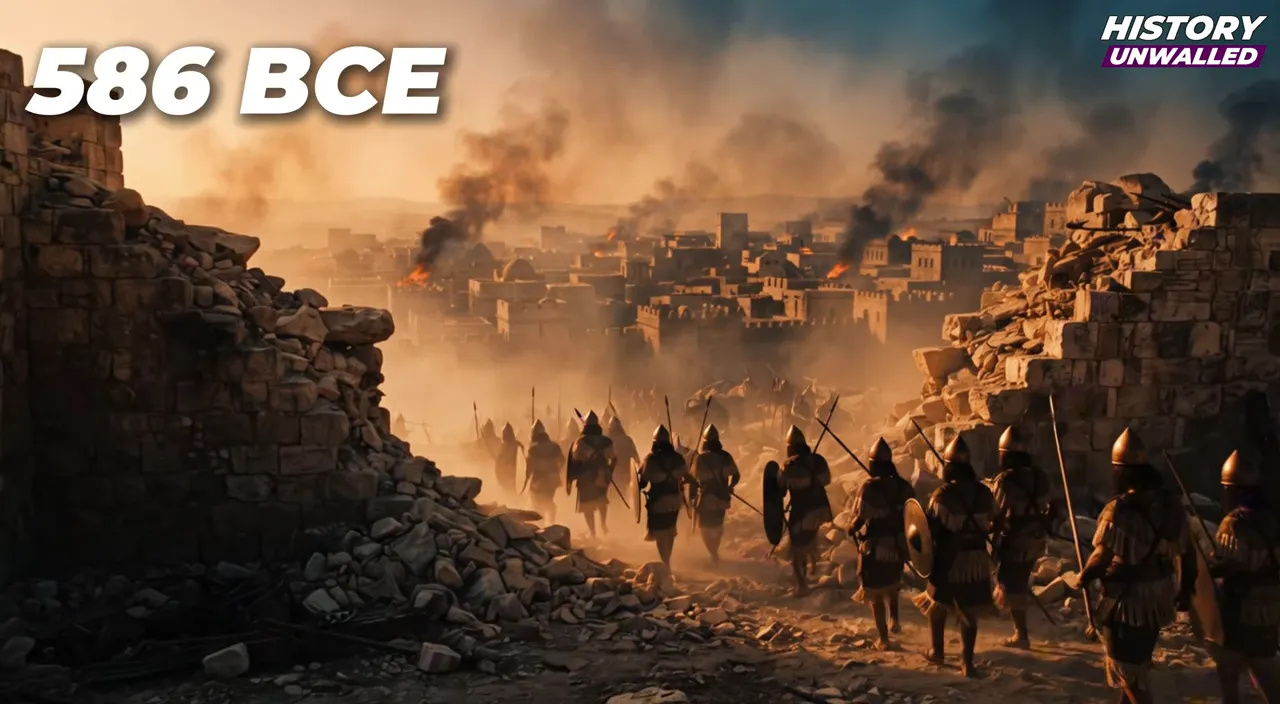
Exile forced a hard question: what does belonging mean when the homeland and temple are gone?
In Babylon, identity increasingly centered on shared law, memory, and sacred texts. Many historians see this period as crucial to the crystallization of Judaism into a recognizable religious and cultural tradition.
Persian Return & the Second Temple
Babylon did not last forever. In 539 BCE, Cyrus the Great of Persia conquered Babylon and adopted a different imperial strategy. Rather than permanently scattering conquered peoples, Persian policy allowed displaced communities to return and restore their religious sites.
Groups of Judean exiles began returning to Jerusalem. Over the following decades, they rebuilt the temple on the same sacred site. The Second Temple was smaller and less grand than the First Temple was remembered to have been, but it became the heart of Judean religious life for the next five centuries.
Under Persian rule, Judea was a small and largely self-governing province. It had room to recover, rebuild institutions, and hold onto its traditions.
But calm in this land never lasted forever. In 332 BCE, Alexander the Great swept through the region, and Judea passed into Greek control.
Greek Rule, Maccabees & Hanukkah
After Alexander’s death, Judea became a contested borderland between rival Greek successor kingdoms. For a time, Greek rule was fairly tolerant. Then Antiochus IV took a much harsher approach in the 160s BCE.
Jewish religious practices were suppressed. Circumcision and Sabbath observance were banned. Most provocatively, an altar to Zeus was placed within the Second Temple.
The response was a revolt led by a priestly family remembered as the Maccabees. Their guerrilla struggle succeeded far beyond what anyone might have expected. In 164 BCE, they retook Jerusalem and rededicated the temple.
That rededication is still remembered in the celebration of Hanukkah.
The Maccabean family founded the Hasmonean dynasty, and Judea achieved independence for roughly eighty years. It even expanded through military conquest. But internal royal rivalries weakened the state, and those rivalries invited an outside power into the argument.
That power was Rome.
Rome Arrives in Judea
In 63 BCE, Roman general Pompey entered Jerusalem after being called in to settle a Hasmonean succession dispute. He settled it by force, bringing Judea firmly into Rome’s orbit.
One of Rome’s most consequential local rulers was Herod the Great, installed as king in 37 BCE. Herod was ruthless, including toward members of his own family. But he was also an extraordinary builder. He expanded the Second Temple into one of the great religious complexes of the ancient world, built the fortress at Masada, and constructed Caesarea as a major port city.
After Herod’s death in 4 BCE, Rome moved toward direct rule. By 6 CE, Roman prefects governed Judea. There were roads, administrative systems, and stability of a kind. There were also taxes, resentment, cultural friction, and officials who often failed to understand local religious sensitivities.
The arrangement was combustible. It did not stay stable.
The Great Revolt & the Second Temple’s Fall
By 66 CE, anger over taxation, corrupt governors, and religious friction exploded into open revolt. Rome responded with overwhelming force. General Vespasian, followed by his son Titus, crushed resistance city by city until Jerusalem alone remained.
The siege of Jerusalem in 70 CE was brutal. According to the Jewish historian Josephus, internal fighting among rebel factions made conditions even worse. Hunger consumed the trapped population as food supplies vanished.
When Roman troops broke through, they burned the Second Temple to the ground. Herod’s massive temple complex, rebuilt over decades, was gone. It was never rebuilt.
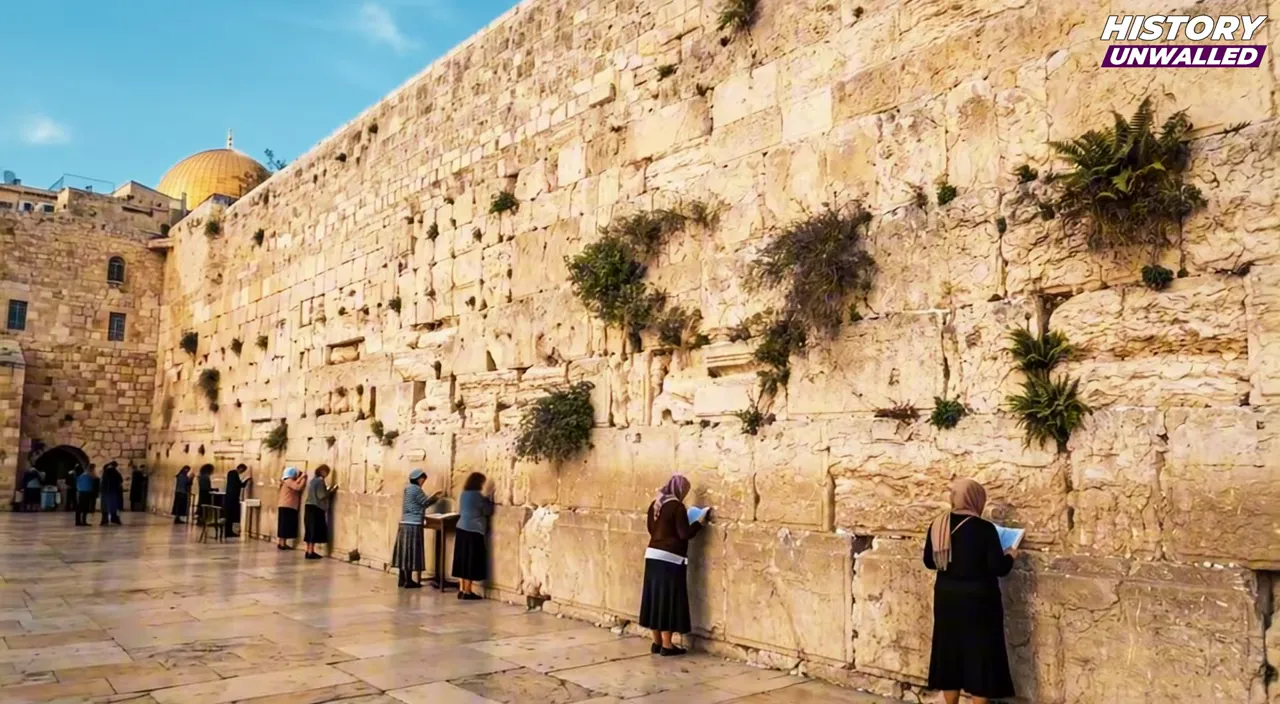
The destruction of 70 CE became a wound, a memory, and a turning point carried through centuries.
A retaining wall from Herod’s temple complex survives today as the Western Wall, one of Judaism’s holiest sites.
Bar Kokhba & the Final Roman Defeat
Rome’s victory in 70 CE did not end resistance. About sixty years later, tensions rose again under Emperor Hadrian, partly because of plans to build a new pagan city on Jerusalem’s ruins.
In 132 CE, Simon Bar Kokhba led the last major armed Jewish revolt against Rome in the ancient period. Some followers saw him as a messianic figure. His forces retook significant territory, held it for around three years, minted coins, and briefly restored an independent Judean state in miniature.
Rome responded by bringing in additional legions from across the empire. By 135 CE, the revolt had been crushed at terrible cost. Battle, famine, and enslavement devastated the Judean population, while Roman sources also described severe losses among their own forces.
Afterward, Hadrian renamed the province Syria Palaestina and barred Jews from Jerusalem except on one day each year. The center of Jewish scholarship and communal life increasingly shifted into communities across the Mediterranean, Mesopotamia, and beyond.
What the Journey From Canaan to Rome Means
The ancient history from Canaan to Rome ends with conquest, dispersal, and a people spread far beyond their ancestral homeland. But it does not end with disappearance.
Connection to the land endured through prayer, law, ritual, memory, and longing. The physical centers of political power were destroyed again and again. Yet identity survived the loss of kings, cities, and temples.
That is the thread running through the whole story from Canaan to Rome: highland settlements became a people, a people became kingdoms, kingdoms became exiles, and exile became the setting for survival.
Almost nothing about this land has ever been simple, and almost nobody’s version of its history is complete.
That is exactly why this history deserves care. Evidence matters. Archaeology matters. Ancient texts matter. Traditions matter. And when the evidence is still debated, the honest answer is not to force certainty. It is to say so.
From Canaan’s old hilltop cities to Rome’s destruction of the Second Temple, this is a story of power, catastrophe, resilience, and memory. And even after every disaster, the story kept going.
RESOURCES:
This article was created from the video The ENTIRE History of Israel: From Ancient Canaan to Rome (Documentary) | https://www.youtube.com/watch?v=Nok0AVMR810 with the help of AI.
Watch More: Jewish History...
- Abraham – One Man Chose a Different Path
- Timeline of Jewish History
- Tower of Babel & the Origin of Languages
- 1177 BC: How the First Globalized World Fell Apart
- Nineveh: The Greatest City Erased from History
- Babylon in 570 BC: Inside the City That Shaped the World
- Nebuchadnezzar, Solomon’s Temple & the Fire that Changed Jerusalem
- Hezekiah’s Tunnel: Faith, Fear & Water Beneath Jerusalem
- “Rivers of Babylon” Written in Exile 2600 Years Ago
- Nebuchadnezzar: The King Who Built Babylon, Lost Everything & Returned
- Secret of Jewish Survival & Esther’s Courage
- Canaan to Rome: The Ancient History of Israel
- Arch of Titus: Rome’s Monument of Triumph & Jewish Heartbreak
- Roman Empire: The Rise, The Madness, The Fall of a Civilization
- Fall of Rome: How the Ancient World’s Greatest Empire Changed Shape
- When Nations Turn Against Israel, What Happens to Them?
- ‘All Things Are Mortal But the Jew’ – Mark Twain
- 7 Wonders of Jewish History: A Story That Should Not Be Possible
- Samaritans: Last 800 Guardians of Mount Gerizim
- Amalek Command: Why It's Misunderstood
- PART 1 | The Land of Israel & Ottoman Palestine (HEB)
- Part 2 | The Land Reached Its Peak & Byzantine Palestine’s Demographic High Point (HEB)
- PART 3 | Arab Conquest: How the Land Gradually Became Muslim (HEB)
- 5000 Years of Jewish History (5-Min Clips)