On International Holocaust Remembrance Day, January 27th, the world pauses to reflect on one of history’s darkest chapters.
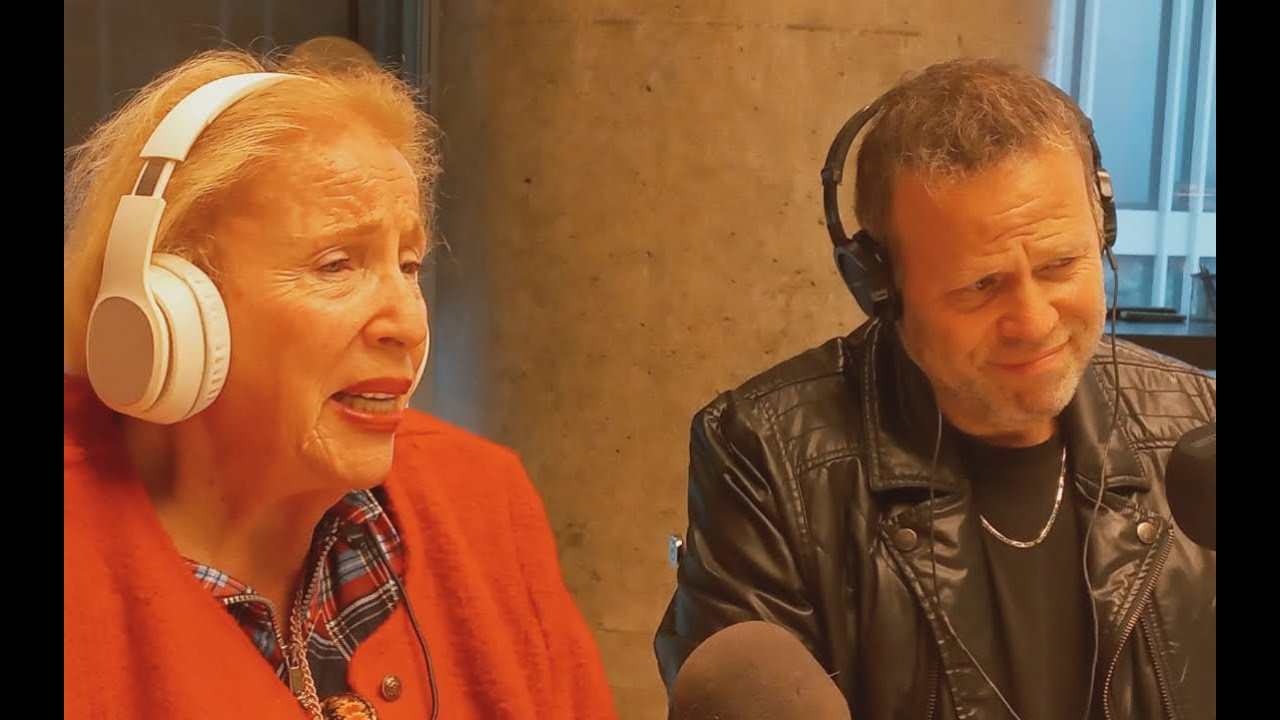
This year, the story of Holocaust survivor Marianne Miller and her son, celebrated Israeli comedian and filmmaker Adir Miller, stands out as a powerful testament to survival, memory, and the enduring strength of family.
Their journey, captured in Adir’s recent film The Ring, offers not only a glimpse into the horrors of the Holocaust but also a deeply human story of forgiveness, humor, and hope.
From Silence to Speaking Out: Marianne’s Mission
Marianne Miller was born in wartime Budapest and survived the Holocaust as a baby, thanks to her mother’s brave act of tearing off her yellow star and fleeing a transport destined for death.
For many years, Marianne kept her survival story private—even from close friends—feeling she had no right to claim the title of Holocaust survivor when others around her had endured even more horrific experiences.
But after her mother passed away, Marianne felt a profound call to break her silence. “I woke up in the morning and literally felt that everyone was standing around me and saying, ‘Get up, it’s your turn now. Don’t hide anymore,’” she recalls. Since then, she has dedicated her life to sharing her testimony across Israel, speaking in schools, army units, and youth movements, becoming a passionate and respected voice for Holocaust education.
Marianne’s dream was to speak at the United Nations, a symbolically powerful yet complex venue, especially given its current political challenges with Israel. Yet, she saw this as her personal answer to Hitler and a tribute to the six million lives lost. “God has created mankind to love, not to hate,” she says, emphasizing the importance of remembrance and healing.
The Complex Legacy of Hungary & Antisemitism
Both Marianne and Adir have grappled with Hungary’s complicated history. While Hungary today is a diplomatic friend to Israel, the shadow of the past lingers just beneath the surface. Adir shares an unsettling experience from a recent visit to Budapest, where he saw Nazi memorabilia openly sold in flea markets. He also recounts conversations revealing a reluctance among some Hungarians to fully accept responsibility for the atrocities committed during the war.
Despite this, Marianne has witnessed signs of change and gestures of apology from some Hungarians. During a recent march from Budapest to Auschwitz, many non-Jewish Hungarians approached her with heartfelt expressions of remorse for their ancestors’ roles in the Holocaust. This gave Marianne hope that transformation is possible. “I want to believe that people can change,” she says with cautious optimism.
Forgiveness & Moving Forward
The theme of forgiveness is central to both the film The Ring and the Millers’ real-life story. Adir explains that the Jewish people have a unique strength in forgiving while never forgetting. “In 1952, we made an agreement with the German government, and that’s part of why Israel became such a powerful country,” he reflects. Forgiveness, for them, is not about erasing memory but about moving forward with resilience.
This balance is evident in Marianne’s speeches and in the film’s narrative, which blends the tragedy of the Holocaust with the warmth and humor of family life. The movie is not a traditional Holocaust film but rather a family drama that uses this history as a backdrop, exploring relationships, laughter, and the complexity of human emotions.
Humor as a Second Language
Adir Miller, a comedian at heart, believes humor is a vital part of life—even when dealing with the darkest subjects. “Humor doesn’t mean mocking; it means seeing the funny side alongside the serious,” he explains. The film features many moments of levity, particularly through the character of Marianne’s mother, played brilliantly by Tikki Dayan, whose jokes bring a lightness that resonates deeply with audiences.
The interplay of laughter and tears in The Ring reflects a uniquely Israeli sensibility—one where humor and tragedy coexist. Adir shares how audiences often find themselves laughing one moment and crying the next, a testament to the film’s emotional honesty and depth.
Reaching New Generations with a Timeless Message
Marianne’s appearances in Israeli schools reveal a touching connection with younger generations. Despite initial fears that students might be distracted by their phones, Marianne’s charisma and heartfelt storytelling command their full attention. The children’s eyes light up with joy simply knowing she is alive and sharing her story.
Adir’s film also bridges generational gaps. After a screening, a 17-year-old girl approached him in tears, saying the movie inspired her to reconnect with her mother after a long silence—a powerful reminder of the film’s impact beyond Holocaust education.
A Family’s Legacy of Survival & Love
The bond between Marianne, Adir, and their family is at the heart of this story. Marianne’s survival and storytelling carry the weight of memory for those who cannot speak, while Adir’s artistic vision transforms that memory into a shared experience for wider audiences.
Adir fondly recalls his grandmother’s presence in his life—her humor, warmth, and resilience. Despite her illness in later years, she remained a source of joy and strength, even attending his early comedy shows. Her legacy lives on not only in the film, but in the love and laughter that define the Miller family.
Conclusion: What Matters Now
The story of Marianne and Adir Miller reminds us that the Holocaust is not just history—it is a living memory carried by those who survived and the generations that follow. Their message is clear: remembrance, forgiveness, and humor are essential tools for healing and connection.
As Marianne prepares to speak at the United Nations surrounded by her family, she embodies the resilience and hope that define what truly matters now. Her voice, once silent, now echoes with the strength of six million, urging us all to choose love over hate and to never forget.
For those who want to support Holocaust survivors and keep their stories alive, initiatives like sponsoring survivors on the March of the Living provide meaningful ways to engage and educate future generations.
Marianne and Adir’s journey is a powerful reminder that through storytelling, laughter, and courage, we can honor the past while building a more compassionate future.
RESOURCES:
This article was created from the video What Matters Now to Adir Miller and Mom Marianne: Getting the last laugh after the Holocaust | https://www.youtube.com/watch?v=B5VBnyJFck4 with the help of AI.