If you’ve ever felt pulled in two directions, if you’ve wondered whether you belong or if you’re watching the news and thinking, “Is this really what my country is about?”—you’re in the right place.
Below is a conversation that started in a tiny studio in Israel and turned into a long‑winded walk through memories, fears, hopes, and a few surprising revelations. It’s a story about a family that left, a country that called them back, and the endless quest to make peace—both inside and out.
Leaving & the First Whisper of Return
Our journey begins with a simple question: Why would anyone leave a place that’s been called “home” for generations? The answer, as it turned out, isn’t a single “yes” or “no.” It’s a mix of work, travel, a feeling of being “too far away,” and the unsettling events of October 7.
I felt depressed after October 7th. My wife and I were not in Israel for a year. I was one step away. We thought we might not stay here.
That feeling of depression was more than a fleeting mood. It was a quiet storm that had been brewing for years—years spent studying abroad, years of hopping between cities, even years of trying to make peace projects work while watching the world spin.
Why the Wanderer Returned
When the war started, the family was already abroad. A short vacation in London turned into a decision: stay put, or head back to a place that now felt both dangerous and familiar.
On the 7th of October, we were already abroad and we canceled our vacation abroad because we were with small children, and we didn’t see them return during the war.
It wasn’t just about safety. It was about a deep, unexpected realization. One of the speakers put it beautifully:
It was like a plane that suddenly loses the earth underneath it. You ask, “What am I without the ground?” The answer was Israel.
When the family finally stepped onto Israeli soil again, they felt a strange mixture of relief and fear. The familiar streets, the smell of freshly baked bread, the sound of children laughing in a playground—all of it felt like a secret handshake between their hearts and the land.
From Globalist to Zionist (& Back Again)
Before the return, the narrator identified as a globalist—someone who believed “a person is a person, no matter where they live.” After the trip, something shifted.
I realized that my point of reference in the world is Israel.
That’s a big pivot, but it didn’t erase the earlier worldview. Instead, it added a new layer. The narrator now sees the world as a puzzle where each piece—secular, religious, left‑wing, or right‑wing—matters.
Understanding Extremism on Both Sides
One key recurring theme was the danger of labeling the other side as the sole villain. The speakers warned against the “us versus them” narrative, calling it a relationship that only fuels more conflict.
It’s a couple who is in a bad period, the man gets off his wife, ignites himself against her, and the woman does the same.
They compared the political fight to a broken marriage: you can keep shouting “you’re wrong” forever, or you can sit down, listen, and maybe find a middle ground.
Tradition, Secularism & the Need for Synthesis
Much of the conversation swirled around the idea that tradition and modernity aren’t enemies but partners. The speakers referenced Rav Kook, a thinker who imagined a future where religious Zionism and secular Zionism would blend like two rivers meeting.
The orthodoxy and secularism are part of the same complex and need each other.
They explained that the tension isn’t new. It goes back to the split between Ashkenazi and Mizrahi communities, each feeling left out by the other. To move forward, they argued, we must acknowledge those old hurts and let them guide, not block, the conversation.
Peace Projects That Actually Work
It’s easy to feel cynical when hearing a barrage of headlines about protests, lawsuits, and political drama. Yet, the speakers reminded us that real peace work is quiet, personal, and often uncomfortable.
I apologized for putting words in his mouth, and he apologized for the things I didn’t understand. That is progress.
These small moments of mutual respect, the kind that happen over coffee or a shared pizza, are the building blocks of a healthier society.
What to Do When You Feel Stuck
If you ever feel like you’re stuck in a loop of anger, here are three simple steps that arose from the conversation:
- Listen First. Put the microphone down. Let the other side speak without planning your rebuttal.
- Find One Small Common Goal. Whether it’s keeping a neighborhood park clean or protecting a local school, start there.
- Own Your Fear. Acknowledge what scares you. Write it down, talk about it, then ask, “What can I do right now that eases this fear?”
When the only tool you have is a knife, everything looks like a pencil.
That line reminded us that our tools matter. If we go into a conversation armed with aggression, we’ll only see the world as hostile. If we bring curiosity, we might see a neighbor’s story instead of a threat.
Bridging the Gap Between Communities
The speakers highlighted a simple yet powerful idea: “The home is more important than who starts the argument.” Whether you’re a secular artist, a Haredi scholar, a left‑wing activist, or a right‑wing veteran, you share the same roof—the land of Israel.
We need to stop showing where the other side is wrong all the time. We have to start showing where he’s right.
It’s not about abandoning convictions; it’s about adding a few shades of empathy to your palette.
Practical Ways to Start the Dialog
Want to try building bridges in your own life? Here are a few ideas that came straight out of the chat:
- Host a “Coffee & Conversation” night with someone who holds different political views.
- Volunteer with mixed‑group projects—teaching kids from different backgrounds, cleaning up a public space, or sharing a meal.
- Read a book written by someone on the other side of the aisle and discuss it over snacks.
Everyone wants peace, but we keep arguing about who gets to build it first.
Remember, the goal isn’t a perfect agreement; it’s a shared willingness to keep talking.
Why the Media Matters (& Why We Shouldn’t Paint It All One Color)
The conversation also touched on the role of the press, especially papers like Haaretz. The speakers argued that while criticism is healthy, painting an entire outlet as “anti‑Semitic” or “bad” does more harm than good.
The newspaper has a monopoly on intelligence to a large extent, but it also brings a little of what I see as light.
Media, like any other tool, is imperfect. It can illuminate, mislead, and evolve. The key is to stay critical, not cynical.
Conclusion: The Ongoing Journey
Every day, people across Israel—and around the world—wrestle with the same questions: How do we belong? How do we keep our traditions while embracing change? How do we defend our home without losing sight of our humanity?
The home is more important than who will start here now.
There’s no single answer. There’s a path, though, paved with honest listening, willingness to admit fear, and a bit of humor when the conversation gets heavy. If you feel like you’re at a crossroads, remember the story of a family who thought they might leave, only to discover that the very act of returning gave them a new purpose.
So, dear reader, what will your next step be? A conversation? A shared meal? A small act of kindness toward someone you disagree with? Whatever it is, take it with an open heart and a playful spirit. After all, life is a long, winding road, and a good laugh is the best fuel for the journey.
I’m still in the business of the microphone, but I’ll try to think about this proposal.
Until next time, keep listening, keep learning, and keep building that home inside your heart.
RESOURCE
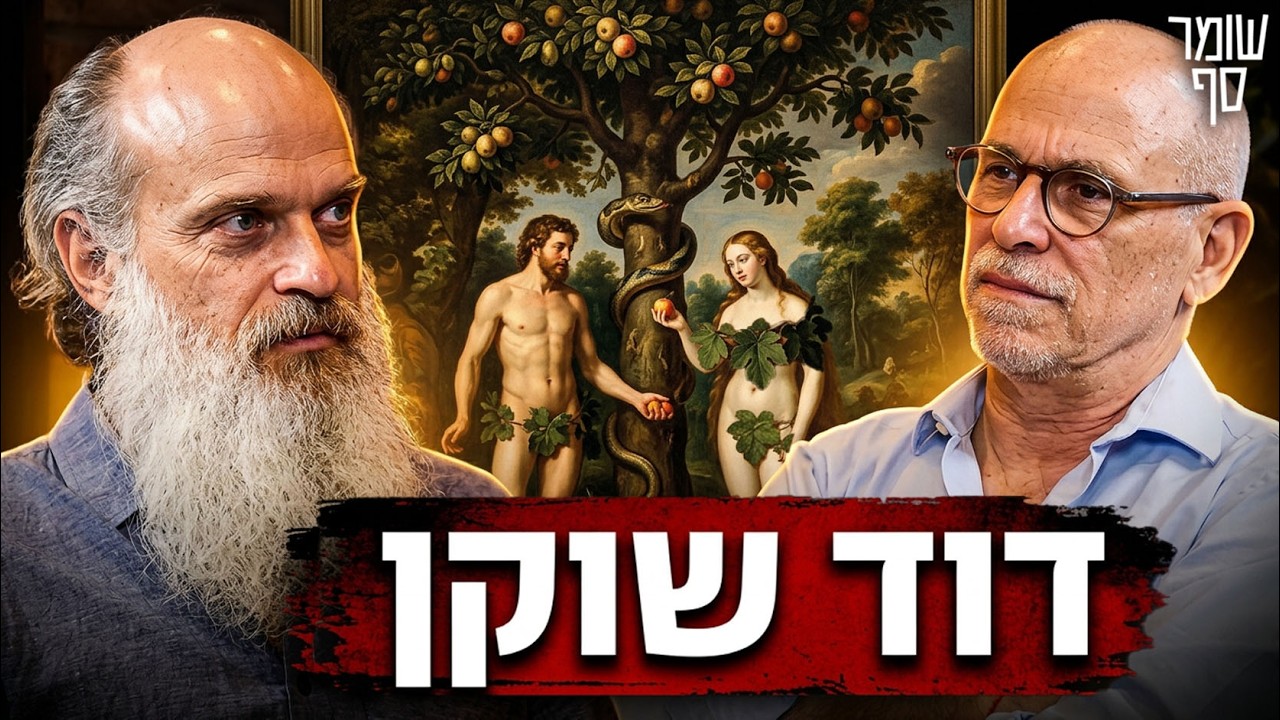
This article was created from the video David Schocken, Amos’ nephew, takes care of the shared house. Gatekeeper 384 (HEB) | https://www.youtube.com/watch?v=O8fWaYhyMNk with the help of AI.