Free Speech & the First Amendment Effect
Americans seem shocked by Britain’s free‑speech debate and the way British courts can sentence someone for a “shocking racist comment.” In the United States, the First Amendment provides a safety net that makes the media feel freer to discuss tough subjects.
The American media doesn’t worry about that sort of thing nearly so much because of the First Amendment
That safety net, the host argued, isn’t just a legal shield. It shapes the whole conversation. When journalists know they can’t be hauled into court for a controversial line, they’re more willing to ask the hard questions. In the UK, the fear of legal repercussions can make the press tiptoe around “tricky” topics.
Policing Speech & the “Online Harms” Craze
One of the most eye‑opening parts of the chat was the claim that police are now spending more time scrolling through Twitter than chasing burglars. The host joked that a typical officer’s day might involve a digestive biscuit, a cup of coffee, and a hunt for a “woman in Doncaster who liked something she shouldn’t have.”
It’s the loveliest days policing – sit at your desk eating a biscuit and scrolling through Twitter
That’s not just a punchline. In many northern police forces, burglary rates have been stagnant for years, yet the same forces are now “ramping through Twitter” because it’s easier to track a digital footprint than a physical crime scene. The point is clear: resources are being diverted from real‑world safety to policing words online.
The Far‑Right Bogeyman & Anti‑Fascist Groups
Another recurring theme was the idea that the UK’s “far‑right” is more myth than reality. The host asked whether there’s a British Nazi Party, and the answer was a resounding “no.” Yet anti‑fascist groups keep shouting about a phantom enemy, raising money, and positioning themselves as the defenders of democracy.
They’re fighting a sort of phantom bogeyman and you can see they’re desperate to have their Cable Street moment
According to the conversation, these groups often act like the very thing they claim to oppose. They’re quick to label anyone who questions immigration or expresses frustration as “far‑right.” The result is a double standard that silences ordinary working‑class voices while letting the powerful speak freely.
Why Real Problems Get Ignored
When a tragic stabbing or a violent riot occurs, the media’s first instinct, the host suggested, is to look for a secondary narrative. “How will the far‑right use this?” The primary issue—the underlying social and economic distress—gets pushed to the back of the room.
The political class should not think that the great panacea is to say you’re allowed to express yourself at the ballot box every five years
In northern England, joblessness has risen for over a decade. When jobs do appear, a large share goes to foreign‑born workers, a fact that used to be a left‑wing talking point but has largely disappeared from mainstream debate. The host argued that both Labour and the Conservatives have abandoned these communities, leaving them feeling invisible and angry.
Immigration, Borders & the Real “Threat”
Both speakers agreed that the biggest challenges aren’t about “online hate” but about concrete policies: controlling illegal migration, fixing the economy, and tackling inflation. The host said that if the UK wants to solve its problems, it needs to bring back sensible borders. “We used to have borders; we used to have them.”
If you want to solve the problems in the UK, you stop having historically high net legal and illegal migration
That’s a simple, if controversial, message. It cuts through the noise of “online harms” bills and focuses on the tangible things that affect everyday life—wages, housing, and community safety.
The Role of Social Media Platforms
Elon Musk’s takeover of Twitter (now X) was mentioned as a symptom of a larger problem: the platform has become the number‑one news source, yet it’s also a battlefield for “Twitter storms.” The host noted that while storms are fleeting, the underlying reality—people feeling ignored by the political class—is far more persistent.
Twitter storms are just one of those things that come and go – a writer has to accept them
When governments consider shutting down platforms because they “poison” discourse, the host warned that it’s a distraction. The real fix is not to silence voices but to address the grievances that drive them to the internet in the first place.
What Does This Mean for the White Working‑Class?
One of the most poignant questions was whether the white working‑class is developing a “victim mindset.” The answer, according to the conversation, is that many feel they have no outlet other than the ballot box, which only comes around every five years. That feeling of powerlessness fuels resentment and makes it easy for anyone to label them “far‑right.”
The answer is you’re allowed to vote every five years – great. And what’s the result? Nothing.
Instead of dismissing their concerns, the host suggested giving them real avenues for influence: better jobs, fair immigration policies, and a government that actually listens.
Wrapping Up: A Call for Focus on Facts
To close, the host reminded us that the debate isn’t about “rhetoric, “It’s about facts. You can ban speech, you can block social media, but you can’t stop boats from landing or stop inflation from rising. The real challenge is to stop diverting attention from the core failures of the political class.
It’s not about the speech, it’s about the facts. You could silence everyone in Hartlepool and still have boats coming in every day.
So, what’s the takeaway? Britain’s free‑speech controversy is a symptom of a deeper malaise: a political elite that prefers to police words rather than solve the economic and social problems that drive people to speak out. If we want a healthier public conversation, we need to refocus on jobs, borders, and real‑world safety—not just the next “online harms” bill.
RESOURCES:
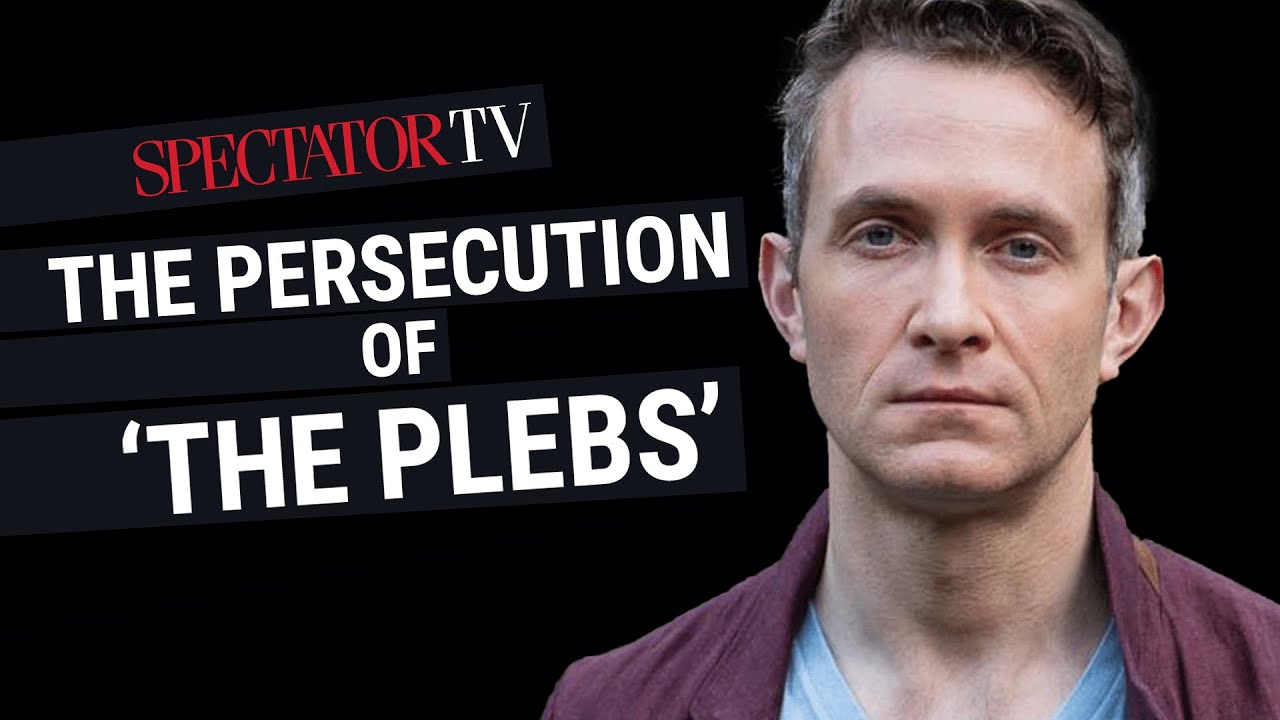
This article was created from the video Douglas Murray on riot sentencing, online hate & the ‘far-right’ | https://www.youtube.com/watch?v=DfVTtrf0XPk with the help of AI.